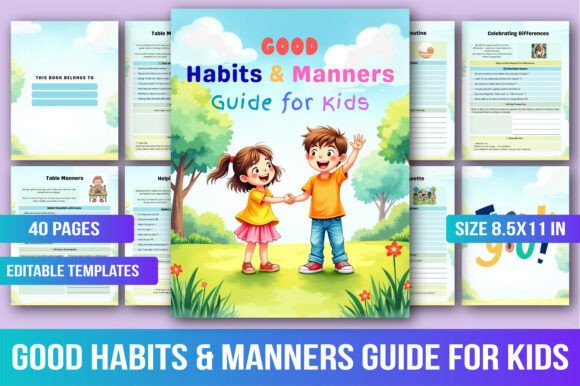
Good Habits Manners Guide for Kids: Teaching Life Skills Through Fun and Learning
Teaching children good manners and essential life skills is more than just preparing them for social interactions—it’s about building the foundation for a respectful, responsible, and confident future. The Good Habits Manners Guide for Kids is an innovative workbook that combines education with entertainment, making it easier for parents, teachers, and caregivers to instill positive behaviors in young minds. Designed with cheerful layouts, interactive activities, and practical tools, this guide empowers kids to grow into well-mannered individuals while enjoying the learning process.
Why Good Habits Matter for Kids
Children are naturally curious and eager to learn, but they also need guidance to understand what is expected of them in different situations. Good habits—whether it's using kind words, practicing personal hygiene, or managing emotions—are the building blocks of character development. These habits not only help children navigate daily life but also shape their relationships, academic performance, and overall sense of self-worth.
The Good Habits Manners Guide for Kids recognizes this and offers a structured yet flexible approach to teaching these essential skills. By integrating fun activities like writing prompts, drawing exercises, and habit trackers, the guide keeps children engaged while reinforcing important values. It’s a valuable resource for homeschooling families, classroom educators, and therapists looking for creative ways to support child development.
Key Features That Make This Guide Stand Out
One of the standout features of the Good Habits Manners Guide for Kids is its variety of engaging elements designed to cater to different learning styles. From printable PDFs and high-quality images to customizable checklists and templates, the guide offers a comprehensive toolkit for fostering good behavior at home or in educational settings.
- Personal Hygiene Cleanliness: Simple yet effective lessons on handwashing, brushing teeth, and keeping belongings tidy help children develop a sense of responsibility from an early age.
- Using Kind Words Magic Phrases: Encouraging the use of polite language not only improves communication but also builds empathy and respect in social interactions.
- Table Manners Mealtime Etiquette: Teaching children how to use utensils properly, wait for others, and show appreciation for food helps them feel more comfortable in group settings.
- Morning, After-School, Nighttime Routines: Structured routines provide a sense of stability and teach time management, which is crucial for developing independence.
- Helping at Home Environment Care: Activities that involve cleaning up, organizing spaces, and contributing to household chores foster a sense of belonging and duty.
- Being a Good Friend Taking Turns: Lessons on sharing, listening, and respecting others’ feelings promote healthy social skills and emotional intelligence.
- Respecting Teachers Classroom Rules: Clear guidelines on classroom behavior help children understand the importance of following rules and showing respect to authority figures.
- Managing Big Feelings Staying Calm: Techniques for identifying and expressing emotions in a healthy way are essential for emotional regulation and mental well-being.
- Pet Care Clean-Up Habits: Caring for pets teaches responsibility, patience, and compassion, all while promoting a love for animals.
- Writing Prompts Drawing Activities: Creative expression through art and writing allows children to explore their thoughts and feelings in a safe and constructive manner.
- Daily Habit Trackers Goal Setting: Visual progress tracking encourages consistency and motivation, helping children see the value of small, daily efforts.
How the Guide Fits Into Modern Parenting and Education
In today’s fast-paced world, parents and educators often struggle to find resources that are both effective and engaging. The Good Habits Manners Guide for Kids fills this gap by offering a versatile tool that can be adapted to various environments. Whether used as a supplement to school curriculum, a part of therapy sessions, or a daily parenting aid, this guide provides consistent support for developing good habits.
For homeschooling families, the guide serves as a valuable addition to traditional learning materials, offering a hands-on approach to character education. In classrooms, it can be integrated into social studies or life skills lessons, providing a practical way to reinforce behavioral expectations. Therapists working with children may also find the guide useful in addressing specific developmental needs, such as emotional regulation or social interaction skills.
Moreover, the guide’s emphasis on routine and structure aligns with modern parenting approaches that prioritize consistency and predictability. Children thrive in environments where expectations are clear and boundaries are respected, and the Good Habits Manners Guide for Kids supports this by offering actionable strategies for creating such environments at home.
Practical Benefits and Considerations
When choosing a resource like the Good Habits Manners Guide for Kids, it’s important to consider its practical benefits and how it fits into your child’s current learning and development journey. One of the most significant advantages is the guide’s adaptability. It can be tailored to suit individual needs, whether your child is learning basic manners or refining advanced social skills.
Additionally, the inclusion of 40 different templates ensures that there is always something new and exciting to engage children. This variety helps maintain interest over time and prevents the learning process from becoming monotonous. The high-quality printable format makes it easy to use across multiple devices, allowing for seamless integration into both digital and physical learning spaces.
Another key consideration is the guide’s focus on positive reinforcement. By encouraging children to track their progress and celebrate small victories, it fosters a growth mindset and a sense of accomplishment. This is especially important for younger children who are still developing their confidence and self-esteem.
Conclusion
The Good Habits Manners Guide for Kids is more than just a workbook—it’s a comprehensive tool for nurturing well-rounded, responsible, and compassionate children. With its blend of education, creativity, and practicality, it offers a unique approach to teaching life skills that resonates with both parents and educators. Whether you’re looking to support your child’s development at home or enhance classroom learning, this guide provides the resources needed to make a lasting impact.