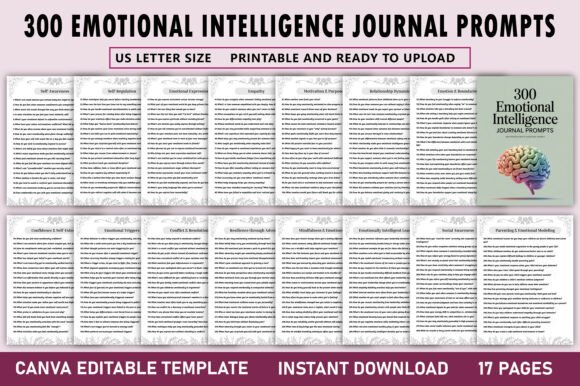
Emotional Intelligence Journal Prompts: A Tool for Growth and Connection
Emotional Intelligence Journal Prompts are more than just a collection of questions—they're a gateway to deeper self-understanding, improved relationships, and personal development. These prompts are designed to guide individuals through reflective exercises that help them explore their emotions, thoughts, and behaviors in meaningful ways. Whether you're an adult looking to improve your emotional awareness or a professional aiming to enhance your leadership skills, these journal prompts can be a powerful resource.
Why Use Emotional Intelligence Journal Prompts?
Emotional Intelligence (EI) is the ability to recognize, understand, and manage our own emotions while also recognizing and influencing the emotions of others. It plays a critical role in both personal and professional success. By using Emotional Intelligence Journal Prompts, you can cultivate this skill in a structured and intentional way.
These prompts encourage you to reflect on real-world situations where emotions play a significant role. For example, when you're dealing with a difficult conversation at work, or navigating a conflict with a friend, journaling can help you process what's happening emotionally and thoughtfully respond instead of reacting impulsively.
Real-World Applications of Emotional Intelligence Journal Prompts
- Self-Awareness: Prompts like “What emotion am I feeling right now, and why?” help you identify your emotional triggers and understand how they influence your actions.
- Empathy: Questions such as “How would I feel if I were in someone else’s position?” foster empathy by encouraging you to see situations from different perspectives.
- Conflict Resolution: Prompts like “What could I have done differently in this situation?” allow you to analyze past conflicts and learn from them.
- Resilience: Reflective questions such as “What did I learn from this challenge?” help build resilience and adaptability in the face of adversity.
- Leadership: Prompts like “How can I better support my team during high-stress times?” help leaders develop emotionally intelligent strategies for managing their teams effectively.
These prompts are not limited to personal growth. They are also valuable in various industries, including education, healthcare, and business. For instance, teachers can use prompts to help students understand their emotions and improve classroom behavior, while healthcare professionals can use them to better connect with patients and provide more compassionate care.
Who Benefits from Emotional Intelligence Journal Prompts?
The benefits of Emotional Intelligence Journal Prompts extend across a wide range of audiences and professions. Here are some examples of how different users may benefit:
Professionals
For professionals, these prompts can help improve workplace communication, reduce stress, and enhance decision-making. By regularly reflecting on emotional responses, professionals can become more effective in their roles and build stronger relationships with colleagues and clients.
Parents
Parents can use these prompts to better understand their children’s emotions and respond with empathy. Questions like “How can I help my child express their feelings more clearly?” can lead to more open and supportive family interactions.
Students
Students can benefit from journaling about their emotional experiences to improve academic performance and social interactions. Prompts like “What emotions do I feel when I’m stressed about exams?” can help students manage their anxiety and stay focused.
Individuals Seeking Personal Growth
For anyone looking to improve their emotional intelligence, these prompts offer a simple yet effective way to track progress and make lasting changes. Regular use can lead to greater self-awareness, better emotional regulation, and stronger interpersonal relationships.
How to Get Started with Emotional Intelligence Journal Prompts
Using Emotional Intelligence Journal Prompts is straightforward. Start by selecting a prompt that resonates with your current emotional state or challenge. Spend a few minutes writing down your thoughts, feelings, and insights. Be honest and open with yourself—this is a space for reflection, not judgment.
Some prompts might be more challenging than others, but that’s part of the process. The goal is to gain insight, not to find a perfect answer. Over time, you’ll notice patterns in your emotional responses and begin to develop strategies for managing them more effectively.
It’s also important to consider the purpose of each prompt. Some are meant for daily reflection, while others are designed for deeper exploration of specific issues. Experiment with different prompts to find what works best for you.
Key Considerations Before Using Emotional Intelligence Journal Prompts
While Emotional Intelligence Journal Prompts are a valuable tool, it’s important to approach them with intention and mindfulness. Here are a few considerations to keep in mind:
- Consistency: Regular use is key to seeing long-term benefits. Aim to journal a few times a week rather than trying to do it all at once.
- Open-Mindedness: Be willing to explore uncomfortable emotions and thoughts. This is where true growth happens.
- Privacy: Keep your journal private unless you’re working with a therapist or coach who encourages sharing.
- Flexibility: Not every prompt will resonate with you. That’s okay—adapt the prompts to fit your needs and goals.
Emotional Intelligence Journal Prompts are a versatile and accessible tool for anyone looking to grow emotionally and connect more deeply with others. With consistent use, they can help you build a stronger sense of self, improve your relationships, and navigate life’s challenges with greater clarity and confidence.